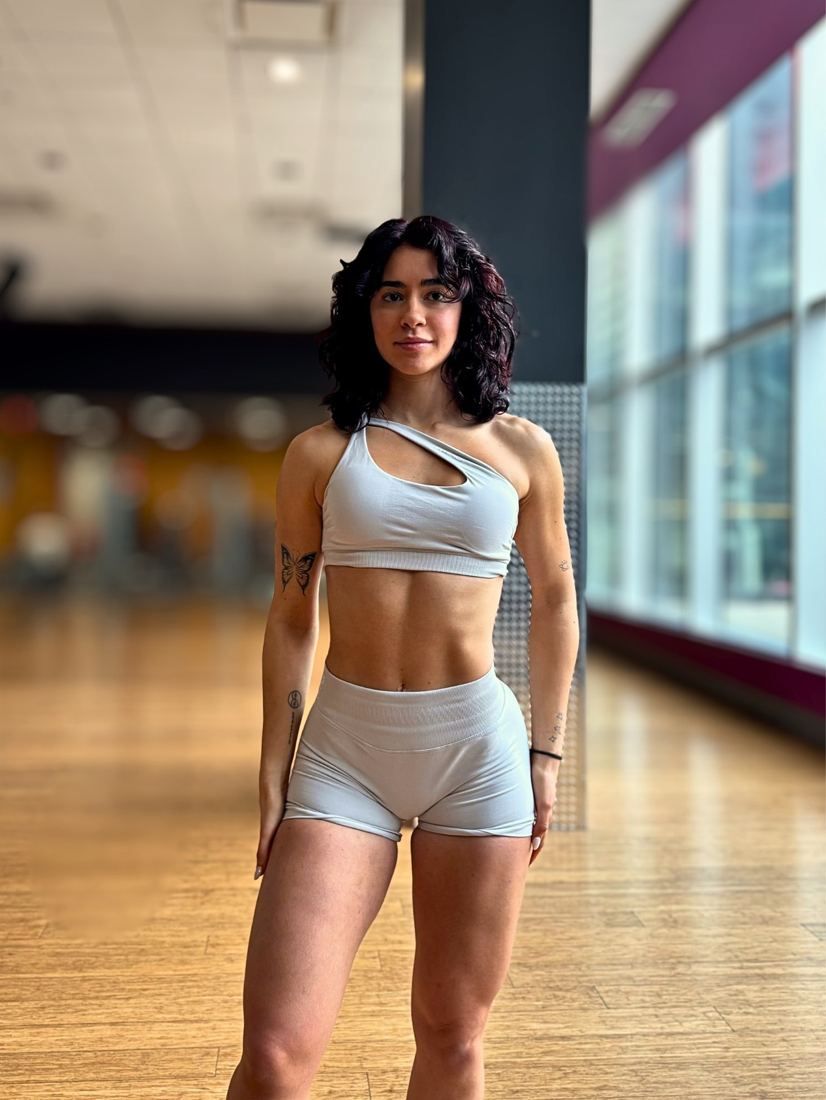
Hey girl,
Welcome to Gym Girl University. Nobody applies. You just wake up one day enrolled.
This is your Level Up Guide. It does three things: helps you find which year you're in, shows you the shift that gets you to the next one, and gives you your week-1 homework. I took every one of these classes the hard way. You don't have to.
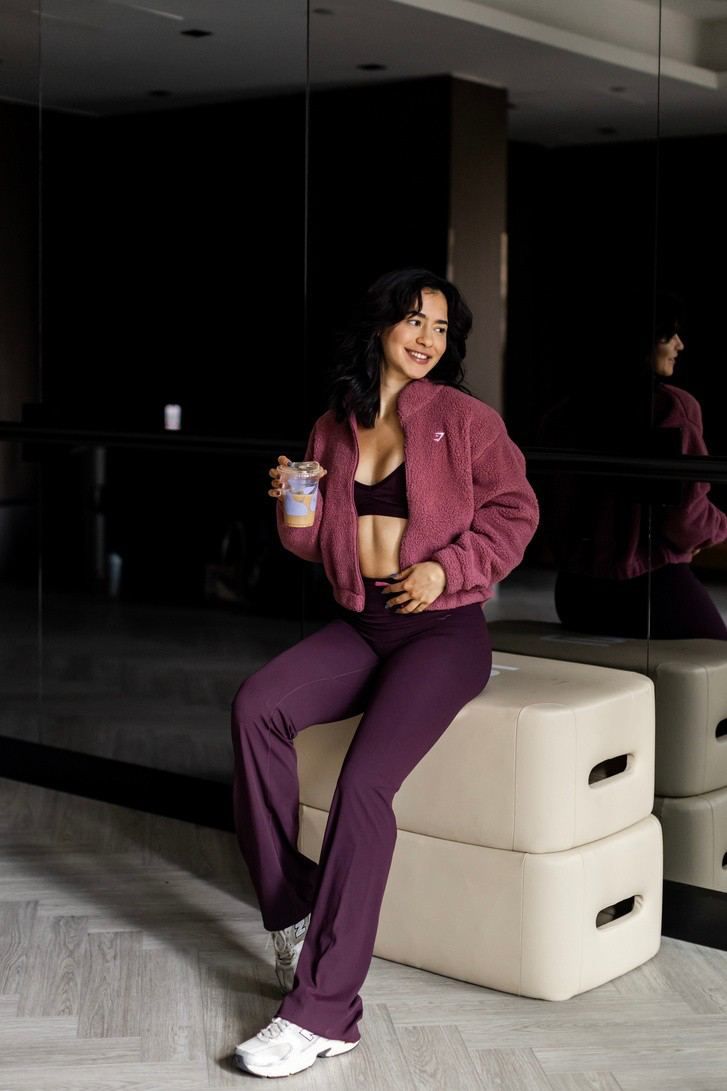
Start here: the Build basics
Whatever year you're in, every one of my clients starts with Phase 1: Build. These are the habits you can keep even on a bad week. Do these for the next 8 weeks before you change anything else.
- Lift 3 days a week. Use the 3-day program at the back of this guide. Non-consecutive days, 45-60 minutes.
- Protein at every meal. Aim for a palm-sized portion (about 25-30 g) at breakfast, lunch and dinner.
- Walk every day. Start at 7,000 steps and build up to 8,000-10,000.
- Sleep 7+ hours. Pick a bedtime and protect it. This isn't a bonus, it's part of the program.
- No extremes. No crash deficit, no 6-day split, no cutting out carbs. A simple plan you follow beats a perfect one you quit in week 3.
- Film your form and track your lifts. Write down every weight and rep, and try to beat it next week.
Once these feel automatic, you're ready for Phase 2 (Push). That's where the real change starts.
Step 1: Which year are you in?

Be honest. Pick the one that sounds like your last month, not your best week.
Step 2: The shift that gets you to the next year
You can't skip a year. But you can stop repeating one. Here's what actually got me out of each.
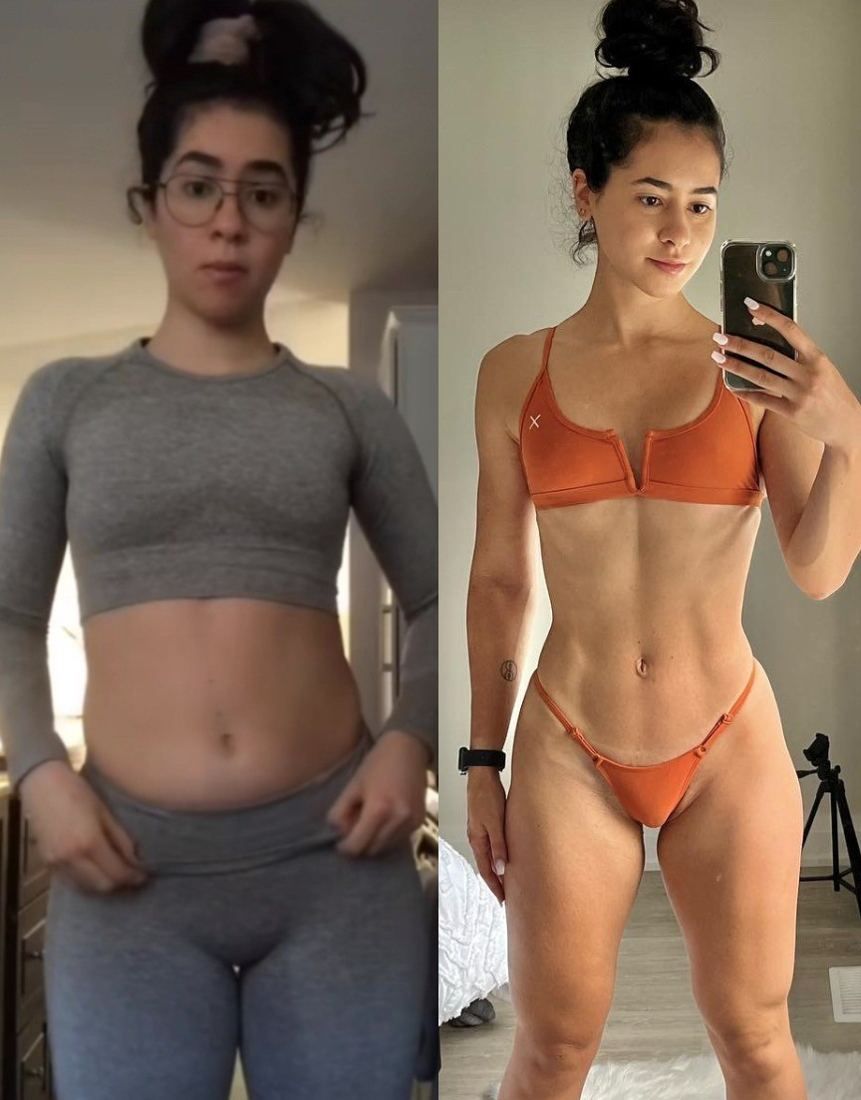
The trap: no plan, all or nothing. What got me out: a clear plan, and being intentional with my calories. Later I learned it's way more than that.
Go deeper: most of us start with "I just want to lose weight" and end up skinny fat. The key is building muscle while you lose fat. Comment RECOMP on any of my posts for my recomp guide.
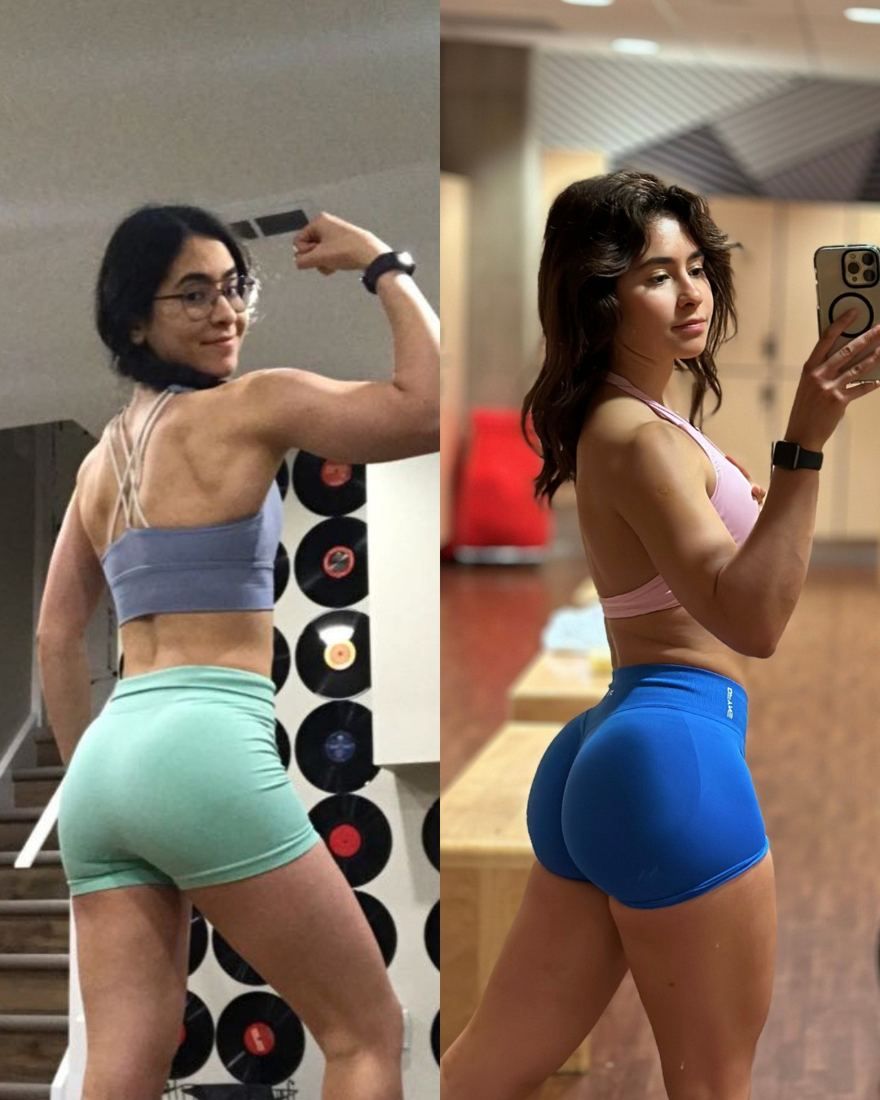
The trap: chasing smaller. What got me out: I realized being hungry and petite wasn't my goal. I wanted to feel strong, so I started building muscle.
Go deeper: ready to take muscle gain seriously? Comment SHELF on any of my posts for my booty guide.
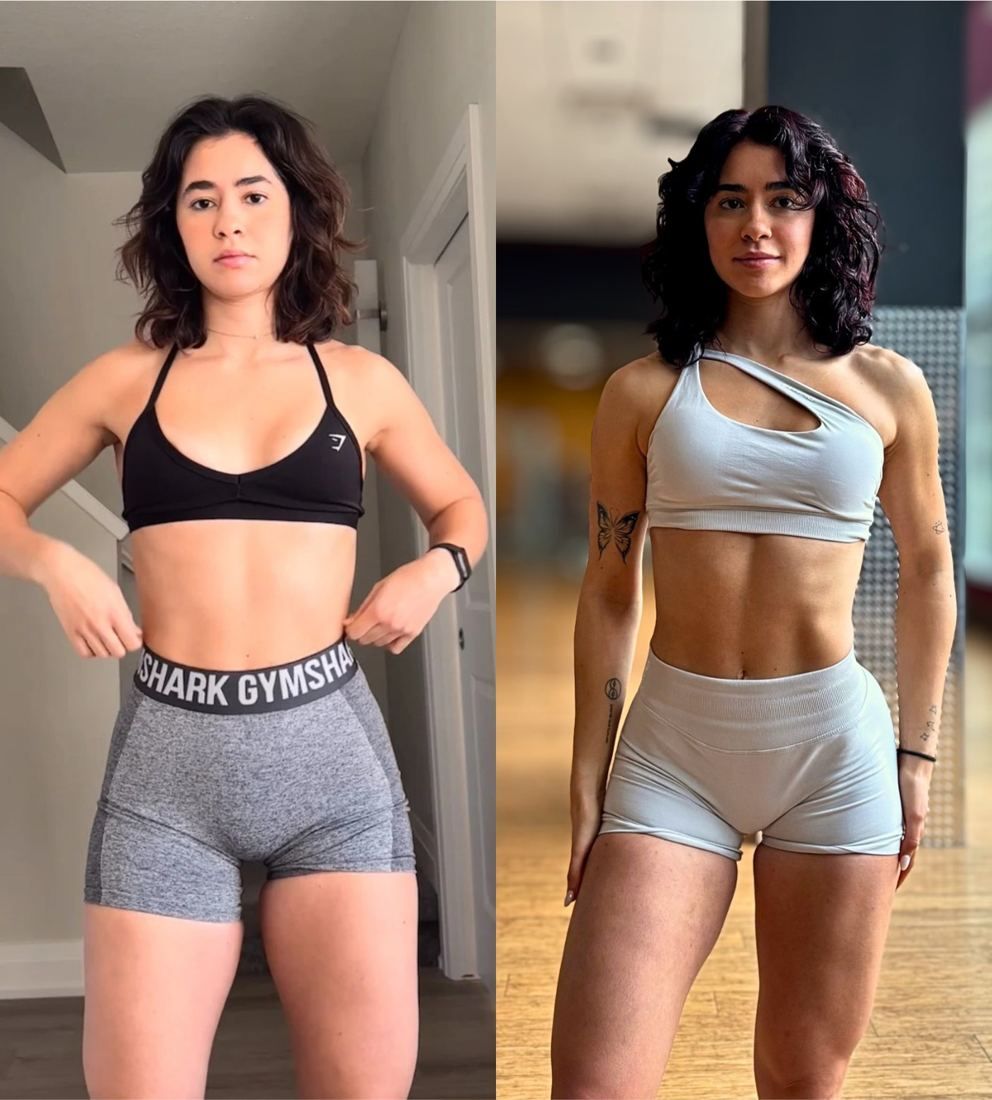
The trap: only training for how I looked. I wasn't functional. I wasn't fast, I couldn't breathe properly, I had no endurance. What got me out: funny story, I went for a run hungover because I had a feeling it would make me feel better. It did, and I got addicted to how good I felt, especially for my mental health. Now I train the whole system: power, endurance and strength.
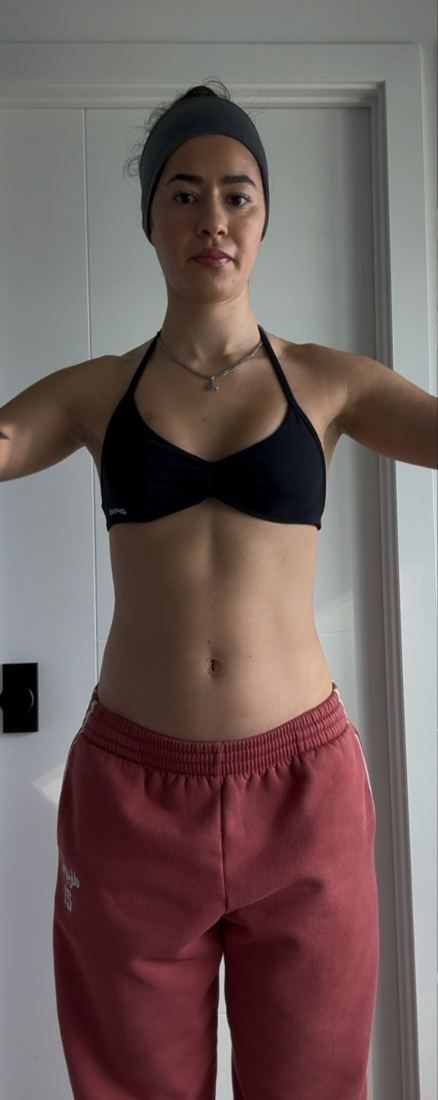
This is how I fell. I was doing way too much, trying to overachieve. I used fitness to regulate my nervous system and tied my worth to performance. It wasn't real discipline. What I had to learn: take a step back and just exist. My worth isn't my performance.
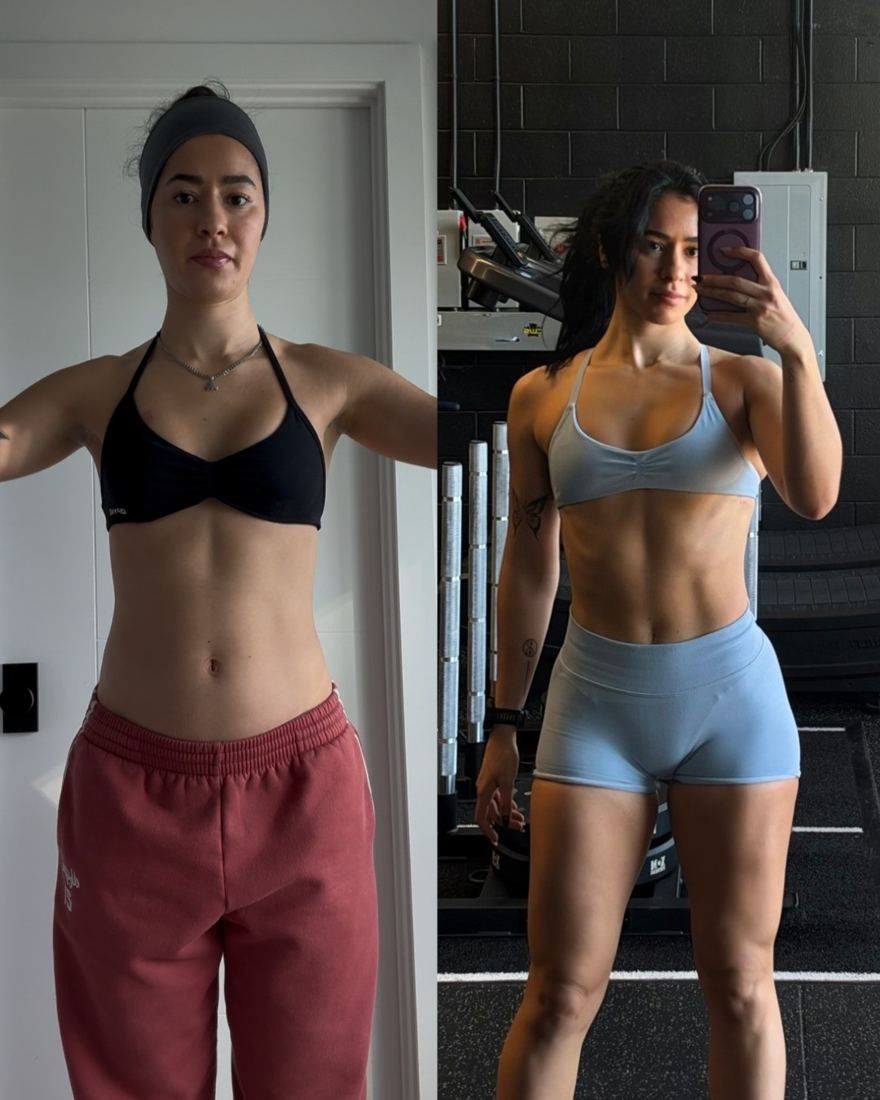
I felt like absolute shit, and I remembered how much fitness helped me. So I hired a coach, signed up for races, and kept my promises to myself because I didn't want to feel like that anymore. If you're here right now, this is exactly where I can help.
Step 3: Graduation standards

This is what graduated looks like for me, every day. Not perfect. Non-negotiable.
- I'm mindful and intentional.
- My energy and health come first, not how my body looks.
- Performance over looks.
- I sleep. It's not a bonus, it's part of the program.
- A lifestyle, not an extreme.
- I make myself uncomfortable on purpose.
- I have a routine, and I keep it.
Step 4: Your week-1 homework
This is exactly what I make every new client do in week one.
Your 3-Day Program
Complete the three workouts on non-consecutive days whenever possible.
Example schedule
- Monday: Workout One
- Wednesday: Workout Two
- Friday: Workout Three
You can also train Tuesday, Thursday, and Saturday or choose any three days that realistically fit your schedule.
Do not throw away the entire week because you missed Monday. Your muscles do not own a calendar. Simply complete the next workout when you can.
Follow this program for at least 8–12 weeks before deciding that you need something new.
Your full workout should take approximately 60–90 minutes.
When you are short on time, prioritize:
- Strength training
- A brief warm-up
- Cardio
- Stretching
Do not skip half of your strength workout because you spent 30 minutes warming up. We came to build muscle, not tour every cardio machine in the building.
Cardio warm-up
Start each workout with 5–10 minutes of light cardio.
Choose one: Incline treadmill walking · StairMaster · Stationary bike · Elliptical · Rowing machine
Your warm-up should feel like a 4–6 out of 10 effort. You should feel warmer and slightly out of breath, but you should not feel exhausted before lifting. The purpose of your warm-up is to prepare your body, not become the workout.
Dynamic warm-up
Dynamic stretches involve controlled movement. They prepare your joints and muscles for training. Complete one round before each workout:
Lower body
- Bodyweight squats: 10 repetitions
- Alternating reverse lunges: 6 per leg
- Leg swings: 10 per leg
- Hip circles: 8 in each direction
- Glute bridges: 12 repetitions
Upper body
- Arm circles: 10 forward and 10 backward
- Shoulder rolls: 10 repetitions
- Wall slides: 10 repetitions
- Band pull-aparts: 12 repetitions
- Thoracic rotations: 6 per side
This should take approximately five minutes. You do not need to hold long static stretches before lifting. Save those for the end of the workout.
Understanding sets and reps
A repetition, or rep, is one complete movement. A set is a group of repetitions. For example: 3 sets of 10 reps means you complete the exercise 10 times, rest, and repeat that process for three total rounds.
For heavier exercises, you may need up to two minutes of rest. Rest long enough to perform your next set properly. You are not lazy for resting. You are training, not auditioning for cardiac arrest.
How heavy should you lift?
Choose a weight that allows you to complete the exercise with good form while making the final two or three repetitions feel challenging. At the end of the set, you should feel like you could complete approximately one to three more good repetitions if you absolutely had to.
- If you could easily perform another ten reps, the weight is probably too light.
- If your form falls apart halfway through the set, the weight is too heavy.
Your goal is controlled, challenging repetitions, not moving the heaviest dumbbell in the gym for emotional validation.
The workouts
Tap a workout to open it.
Workout One: Full-Body Foundation
Monday · 6 exercises
Workout One: Full-Body Foundation
Monday · 6 exercises1. Goblet Squat
Hold one dumbbell close to your chest. Keep your chest tall, brace your core and sit your hips down between your legs. Push through your feet to stand.
2. Dumbbell Romanian Deadlift
Hold the dumbbells close to your legs. Keep a slight bend in your knees and push your hips backward. Lower until you feel a stretch through your hamstrings, then drive your hips forward.
This is a hip hinge, not a squat.
3. Seated Cable Row
Sit tall and pull the handle toward your torso. Drive your elbows backward and squeeze your shoulder blades together. Return the weight slowly.
Avoid leaning backward and turning every repetition into a full-body interpretive dance.
4. Machine Chest Press
Adjust the seat so the handles are around chest height. Keep your shoulder blades against the pad and press the handles forward. Lower with control.
5. Hip Thrust
Place your upper back against a bench or use a hip-thrust machine. Keep your feet planted and drive your hips upward. Pause and squeeze your glutes at the top without overextending your lower back.
6. Seated Dumbbell Shoulder Press
Begin with the dumbbells around shoulder height. Brace your core and press overhead. Lower the weights slowly without excessively arching your back.
Workout Two: Full-Body Strength
Wednesday · 6 exercises
Workout Two: Full-Body Strength
Wednesday · 6 exercises1. Leg Press
Place your feet approximately shoulder-width apart. Lower the platform until you reach a comfortable depth, then push through your whole foot.
Do not lock your knees aggressively at the top.
2. Seated or Lying Leg Curl
Adjust the machine so the pad sits comfortably against your lower legs. Curl the weight with control and slowly return to the starting position.
3. Lat Pulldown
Grip the bar slightly wider than shoulder width. Keep your chest tall and pull your elbows down toward your sides. Control the bar as it returns upward.
Avoid pulling the bar behind your neck.
4. Incline Push-Up
Place your hands on a bench or Smith machine bar. Keep your body in a straight line and lower your chest toward the surface. Press back up.
The higher the surface, the easier the exercise becomes.
5. Reverse Lunge
Step one foot backward and lower both knees. Keep your front foot planted and push through it to return to standing.
Hold onto something for balance when needed. Stability is a skill, not a personality test.
6. Cable or Dumbbell Lateral Raise
Keep a slight bend in your elbows and raise your arms out to the sides until approximately shoulder height. Lower slowly.
Use a lighter weight than your ego suggests.
Workout Three: Full-Body Progression
Friday · 6 exercises
Workout Three: Full-Body Progression
Friday · 6 exercises1. Dumbbell Sumo Squat
Stand with your feet wider than shoulder width and hold one dumbbell between your legs. Sit downward while keeping your chest tall. Push through your feet to stand.
2. Dumbbell Hip Thrust or Glute Bridge
Drive your hips upward while keeping your ribs down. Pause at the top and lower under control.
3. Chest-Supported Dumbbell Row
Lie facedown against an incline bench. Pull the dumbbells toward your sides while keeping your chest supported. Squeeze your back, then lower slowly.
4. Dumbbell Floor Press
Lie on the floor with your knees bent. Hold the dumbbells over your chest and lower until your upper arms gently touch the floor. Press upward.
5. Step-Up
Place your entire foot on a stable platform. Push through the elevated foot and stand tall. Lower yourself with control.
Avoid launching yourself upward using the back leg.
6. Cable Crunch or Abdominal Crunch Machine
Brace your core and curl your ribs toward your pelvis. Move through your torso instead of pulling only with your arms.
Optional cardio
After strength training, complete 10–20 minutes of cardio two or three times per week.
Choose one: Incline treadmill walking · StairMaster · Stationary bike · Elliptical · Easy jogging intervals
Keep most cardio at a moderate pace. You should be able to speak in short sentences without gasping. Cardio supports your heart health, work capacity and fat-loss goals, but it does not replace strength training. If you only have one hour, complete your lifting first.
Post-workout stretch
Hold each stretch for approximately 20–30 seconds.
Breathe slowly and avoid forcing your body into painful positions. Stretching should feel like mild tension, not a hostage negotiation with your hamstrings.
Muscle & exercise cheat sheet
You do not need to memorize human anatomy before entering the gym. Start with the major muscle groups:
Quadriceps
Front of your thighs.
Squats · Leg press · Lunges · Step-ups · Leg extensions
Hamstrings
Back of your thighs.
Romanian deadlifts · Leg curls · Back extensions · Cable pull-throughs
Glutes
Around your hips and backside.
Hip thrusts · Glute bridges · Squats · Lunges · Romanian deadlifts · Cable kickbacks
Back
Rows · Lat pulldowns · Assisted pull-ups · Rear-delt flyes
Chest
Chest presses · Dumbbell presses · Push-ups · Cable flyes
Shoulders
Shoulder presses · Lateral raises · Rear-delt flyes
Arms
Biceps curls · Hammer curls · Triceps pressdowns · Overhead triceps extensions
A balanced program trains all major muscle groups throughout the week. You do not need four exercises for every muscle in every workout. This program distributes your training across three days so your body can recover.
How to progress
Your body changes when your training gradually becomes more challenging. This is called progressive overload. Here is a simple example:
| Week One | 20 pounds for 8 reps |
| Week Two | 20 pounds for 10 reps |
| Week Three | 20 pounds for 12 reps |
| Week Four | 25 pounds for 8 reps |
Once you can complete the top of the repetition range with good form, increase the weight slightly. You can progress by:
- Adding repetitions
- Adding weight
- Improving your form
- Increasing your range of motion
- Controlling the lowering portion
- Completing the same workout with better technique
Track your weights and repetitions in your phone. Do not rely on your memory. Your brain has enough tabs open.
Your beginner checklist
Before each workout
- Eat a meal or snack beforehand when needed
- Bring water
- Wear comfortable clothes
- Open your workout plan
- Record your weights and repetitions
During your workout
- Prioritize good form
- Rest between sets
- Use challenging weights
- Ask gym staff for help with equipment when needed
After your workout
- Complete your cardio when scheduled
- Stretch
- Eat a balanced meal
- Recover
- Return for your next session
Your first goal
Your first goal is not to become as lean as possible. Your first goal is to become consistent. For the next eight weeks, focus on:
- Completing three workouts per week
- Walking regularly
- Eating protein with each meal
- Improving your sleep
- Gradually becoming stronger
The results come from repeating these actions, not from attempting to overhaul your entire life overnight.
Want me to walk you to graduation?
Hiring a coach is what got me back. This is what coaching with me looks like: form checks from week one, weekly check-ins, and a plan in three phases (Build, Push, Level Up). No extremes, and no repeating the same year.
Fill in the form below, or DM me on Instagram and tell me which year you're in. I read every one.
Kenza
Ready to start?
Fill in my short application and I'll personally get back to you about coaching.